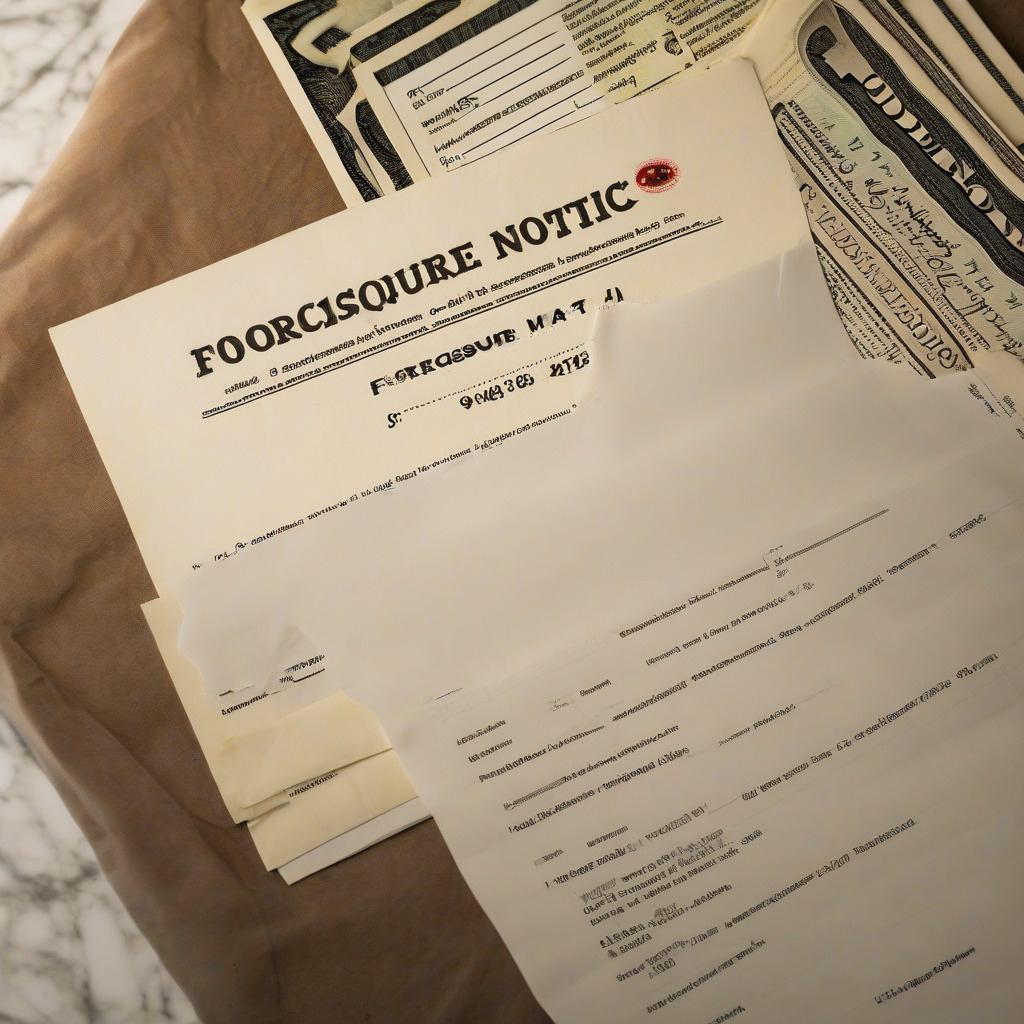
What It Means When a Florida Contractor Pulls a Permit in Your Name
When a contractor lists you as the owner-builder on a permit, the legal exposure doesn't follow them. It follows you. Here's what that means in Orange County — and how to find out if it's already h…


When a contractor lists you as the owner-builder on a permit, the legal exposure doesn’t follow them. It follows you. Here’s what that means in Orange County — and how to find out if it’s already happened.
Every fall, the rhythm is familiar to anyone who owns property in greater Orlando. A named storm wobbles through the Gulf, maybe grazes the coast, maybe doesn’t. But the satellite images stay ugly long enough that roofing crews and window contractors start working neighborhoods door-to-door. The wind picks up. A soffit peels. Someone in a truck offers to handle everything, including the permit.
That last part is where Orlando homeowners are getting hurt.
Often they don’t discover it until a title company surfaces the problem at the closing table, three years later. By which point the contractor has long since moved on.
This isn’t a story about contractors who skip the permit entirely — though that happens too. This is a story about a more specific and considerably less understood maneuver: contractors who do pull a permit, but pull it using a provision of Florida law that transfers all legal compliance responsibility to you, the homeowner, whether you knew what you were signing or not.
The practice exploits Florida’s owner-builder exemption. It’s been surfacing with increasing regularity in post-storm repair work across Orange County. For homeowners who don’t know it exists, the first sign of trouble is usually the worst possible moment to find out.
Hurricane Season Is When You’re Most Vulnerable
The pattern has a logic to it. Hurricane season peaks in late summer and fall. Contractors who operate in the post-storm window know the homeowner is tired, anxious to get work started before the next storm, and not inclined to spend three days vetting paperwork. Honestly, who would be?
The gap between storm and contractor is measured in days or weeks, not the leisurely timeline a homeowner might prefer before signing something with legal consequences. Add insurance proceeds into the mix — and the urgency that creates — and you have a window where a contractor can get a signature on an owner-builder disclosure form without the homeowner understanding what they’ve authorized. “Just sign here so we can get started” is probably how a lot of these conversations go.
The owner-builder designation is legitimate when a homeowner renovating their own kitchen claims it and actually supervises the work. The problem emerges when a licensed or unlicensed contractor uses it as a workaround: to avoid pulling permits under their own license, to obscure that they don’t have an active license, or to move liability off their books entirely. The paperwork looks official. The homeowner signs it. They have no idea what they’ve certified.
What Florida Law Actually Says When Your Name Is on a Permit
Florida Statute 489.103(7) governs owner-builder status, and its language is specific enough that you should read it slowly if you’ve never encountered it before. I mean that literally — don’t skim it.
When you sign an owner-builder permit application, Florida law treats you as the general contractor for the project. You’re certifying that you will personally perform the work or directly supervise it. If something goes wrong — code violation, failed inspection, structural deficiency discovered during a future sale — the person responsible under Florida law is the name on that permit. Yours.
The statute also imposes a one-year resale restriction. Pull an owner-builder permit, sell the property within 12 months of completion, and you’re presumed to have built the improvements for the purpose of sale. That collapses the exemption. If a contractor actually did the work, explaining that to a title officer is now your problem.
There’s also a disclosure requirement built into the exemption. The homeowner must certify they understand they cannot hire an unlicensed person to perform work under this exemption and that they are assuming all risk for code compliance. Orange County Building Division collects this certification as part of the permit application. If a contractor filled out the form and put your name on it, that certification is still attributed to you.
The consequences aren’t theoretical. They include personal liability for bringing work up to code if inspections fail, disclosure obligations to future buyers under Florida Statute 689.261, potential insurance coverage gaps, and — depending on the contractor’s conduct — the possibility that what happened to you was a crime. You’ll find related exposure discussed across our legal & finance coverage, where Florida-specific property and contractor law comes up repeatedly for Orlando homeowners.
How to Check Whether a Permit Has Already Been Filed in Your Name
If you’ve had repair or renovation work done in Orange County in the last several years and you didn’t personally supervise the permit process, this lookup takes about five minutes. Do it before you finish reading this.
Orange County’s permit records are public, searchable through the Accela Citizen Access portal at ocfl.net. From the main navigation, go to “Departments,” then “Building & Zoning,” and look for the Citizen Access portal link. Search by address. If you want a more precise search, grab your parcel identification number first from the Orange County Property Appraiser’s site at ocpafl.org — enter your address and the PID appears on your property record.
When you pull up permit records for your property, each permit shows the type, the date it was applied for, its current status, and the permit holder. That’s the field you’re looking for. If an owner-builder permit appears and the permit holder is your name rather than a contractor’s license number and business name, that’s the scenario this article describes.
Check the status designations carefully. “Open” means the permit is still active and hasn’t been finaled — inspections may still be outstanding. “Finaled” means a final inspection was completed and approved. “Expired” means the permit was never closed out; the work may have been done, but nobody ever called for a final inspection. An expired permit in your name for work a contractor completed sits on your property record as a code-compliance problem, indefinitely, until someone resolves it.
If you find a permit you don’t recognize, write down the permit number, the date, the permit type, and any contractor names associated with the application before you make any calls.
Who Is Actually Liable When the Work Fails Inspection
If you’re listed as the owner-builder and the work is done under that permit, the liability is yours. There’s no asterisk on that.
When an Orange County inspector arrives for a rough-in or final inspection on an owner-builder job, they’re looking for code compliance. If the work doesn’t pass, the notice of non-compliance goes to the permit holder. The contractor may have already cashed the check and moved on to the next job. Orange County Building Division has no mechanism to redirect that liability to the person who actually swung the hammer.
And this problem doesn’t stay invisible. An open or failed inspection appears in the permit system, surfaces in a title search, and follows the property — not just the owner who was there when the permit was pulled. The next buyer’s lender may require a failed inspection to be closed before issuing a loan. Getting that final inspection after the fact can mean bringing work up to current code, which can mean tearing into finished surfaces to expose what a contractor did years ago. Work you paid for. Work you thought was done.
In Orange County, an open or failed permit can also result in a code enforcement lien on the property. That lien has to be resolved before closing. At that point you’re dealing with the county directly — not the contractor.
This May Not Just Be a Paperwork Problem
Call it what it often is: fraud.
Florida Statute 489.127 prohibits a range of contractor misrepresentations, including filing a permit application using a homeowner’s name or signature without their informed, voluntary authorization. Violations can be charged as a first-degree misdemeanor. Second offenses, or cases where fraud involves more than $1,000, escalate to felony. If the contractor who worked on your property wasn’t licensed at the time, that’s an additional problem on top of the permit issue.
You can check a contractor’s license status at the Florida Department of Business and Professional Regulation’s license lookup at myfloridalicense.com. Enter the contractor’s name or business name. The result will show the license type, current status, and the dates the license was active. If the license was expired, suspended, or nonexistent when the work was done, you’re looking at unlicensed contracting — and a very different category of problem than a permit technicality.
Run this lookup before you confront the contractor about anything. If they weren’t licensed when the work was done, your remedy path likely runs through the DBPR and possibly law enforcement rather than any negotiation with them directly.
What Happens When a Buyer’s Title Search Finds This
The closing-table discovery is how most Orlando homeowners learn this has happened to them. It is, plainly, the worst possible time.
During a standard residential sale in Orange County, the buyer’s title company runs a municipal lien and permit search as part of underwriting a title policy. That search pulls from Orange County’s permit records. An open owner-builder permit, a permit with no final inspection, or a permit flagging an owner-builder designation on work that appears to have been done by a third party will show up in that report.
Florida Statute 689.261 requires sellers to disclose to buyers that certain improvements may have been made under an owner-builder permit and that the work may not have been constructed in accordance with approved plans and applicable building codes. Failure to disclose is grounds for contract rescission and potential fraud exposure on the seller’s part.
When a title officer sees an open owner-builder permit, they typically won’t issue a clean title policy until it’s resolved. That resolution might mean passing a final inspection, or a retroactive correction of the permit record. If the work involved structural or mechanical systems, it might mean destructive investigation — opening up finished surfaces to expose what a contractor did years ago. Resolving an open permit in Orange County normally takes two to four weeks. In the current Orlando market, where buyers are frequently working against rate-lock expirations, a two-to-four week delay has real dollar consequences. It gives a buyer grounds to renegotiate price under most contract structures.
Under the standard Florida Realtors/Florida Bar AS-IS contract, if a permit issue surfaces after the inspection period closes, the buyer often has leverage to demand a credit or price reduction rather than exit the deal. Sellers in that position are negotiating from weakness, over a problem the contractor created. Orlando condo buyers face a related version of this risk — the permit and disclosure pitfalls Orlando condo buyers must check before making an offer can surface in the same title-search window.
The Insurance Angle Nobody Mentions Until After You File a Claim
Here’s the part that gets overlooked most often, probably because it doesn’t surface until something else has already gone wrong.
If you file a property insurance claim for damage connected to a repair that was done under a fraudulent owner-builder permit, your insurer has a defensible basis to deny it. The argument is simple: you are the owner-builder of record, the work wasn’t performed by a licensed contractor, and the loss you’re claiming is tied to that work. Whether the denial holds up depends on the specific policy language and facts — but you will be fighting it.
Citizens Property Insurance Corporation, which covers a significant share of Orange County homeowners who can’t get private market coverage, has specific compliance inspection requirements for insured properties. A claim connected to unpermitted or fraudulently permitted work can trigger a coverage review that extends well beyond the specific claim filed. The practical result: a homeowner who paid a contractor to fix storm damage, trusted them to handle the permit, and never checked the record may discover after the next storm that the claim is denied. Now they’re absorbing two losses — the cost of correcting the original work and the new damage — while the contractor who caused this is unreachable.
Who to Call and What to Say
If you’ve found an owner-builder permit on your property that you didn’t authorize, start with documentation, not a confrontation.
Orange County Building Division — (407) 836-5550, located at 201 S. Rosalind Avenue in downtown Orlando. Ask to speak with a permit records officer. Have your address and the permit number ready. Request a copy of the permit application, including the owner-builder disclosure form with the submitted signature. If the signature isn’t yours, that is the document you need. The Building Division can flag a permit for investigation and, in suspected fraud cases, coordinate with county code enforcement and legal staff. They can also tell you what’s required to resolve an open or expired permit.
Florida Department of Business and Professional Regulation (DBPR) — File a formal complaint against a contractor who misused the owner-builder designation or practiced contracting without a license at myfloridalicense.com under “File a Complaint,” or call (850) 487-1395. Your complaint should include the contractor’s name and license number if available, the property address, the permit number, and a description of the work performed and what you were told at the time.
Before you make any of these calls, pull together everything you have: written contracts or estimates, texts and emails, payment records, photographs of the work, any business cards or marketing materials the contractor left, and the permit record from ocfl.net. The DBPR can investigate, revoke licenses, and refer cases for criminal prosecution. They can’t award you money. For that, you’re looking at civil court or, if the contractor carried a bond, a bond claim.
What to Do Right Now
The sequence matters, especially if a sale is already in progress.
Run the permit lookup at ocfl.net before you do anything else. Don’t call the contractor until you know what’s on the record. Screenshot or save the permit record now, before anything changes.
Collect and preserve all documentation from the contractor relationship — contracts, texts, emails, payment records, voicemails. If you lose that documentation, you’ve damaged your own position in any future complaint or litigation.
Contact a Florida real estate attorney before you reach out to the contractor. If the contractor misrepresented your authorization to pull a permit, you may be dealing with a criminal act. An attorney can quickly tell you whether your facts support a DBPR complaint, a civil claim, or both — and approaching the contractor directly before you’ve had that conversation can complicate your position. The Florida Bar Lawyer Referral Service covers Orange County and can connect you with a construction or real estate attorney: (800) 342-8011. The referral is free; the initial consultation under the Bar’s program is typically $25 to $50 for 30 minutes.
If a sale is already under contract and the permit issue surfaced in the title search, the clock is running. Contact your attorney and real estate agent immediately. An attorney who regularly handles Orange County real estate transactions will know what resolution paths are realistic given your timeline.
One more thing: if you have a pending insurance claim connected to the work in question, don’t withdraw or alter it until you’ve talked to an attorney. Pulling a claim that was legitimately owed to you because you’re worried about permit exposure can waive rights you didn’t know you had.
The owner-builder maneuver, when it’s misused, does one thing cleanly: it transfers risk from a contractor who may have nothing worth suing for to a homeowner who has a house, a mortgage, and equity to lose. Post-storm contracting surges are when Orange County sees the highest volume of rapid-turnaround repair work where this happens. The homeowners most at risk are the ones who were most relieved that the contractor “took care of everything.”
Check the permit record. Know what your name is attached to.